
DIY / Walls & Ceiling
Pen, Marker and Grease Marks on Walls: A Paint-Safe Cleaning Ladder
Children's artwork, pen marks and greasy fingerprints are common in newly occupied homes. Start with the least aggressive method, identify the paint finish and use a spot-cleaning product only when the paint maker explicitly approves it.
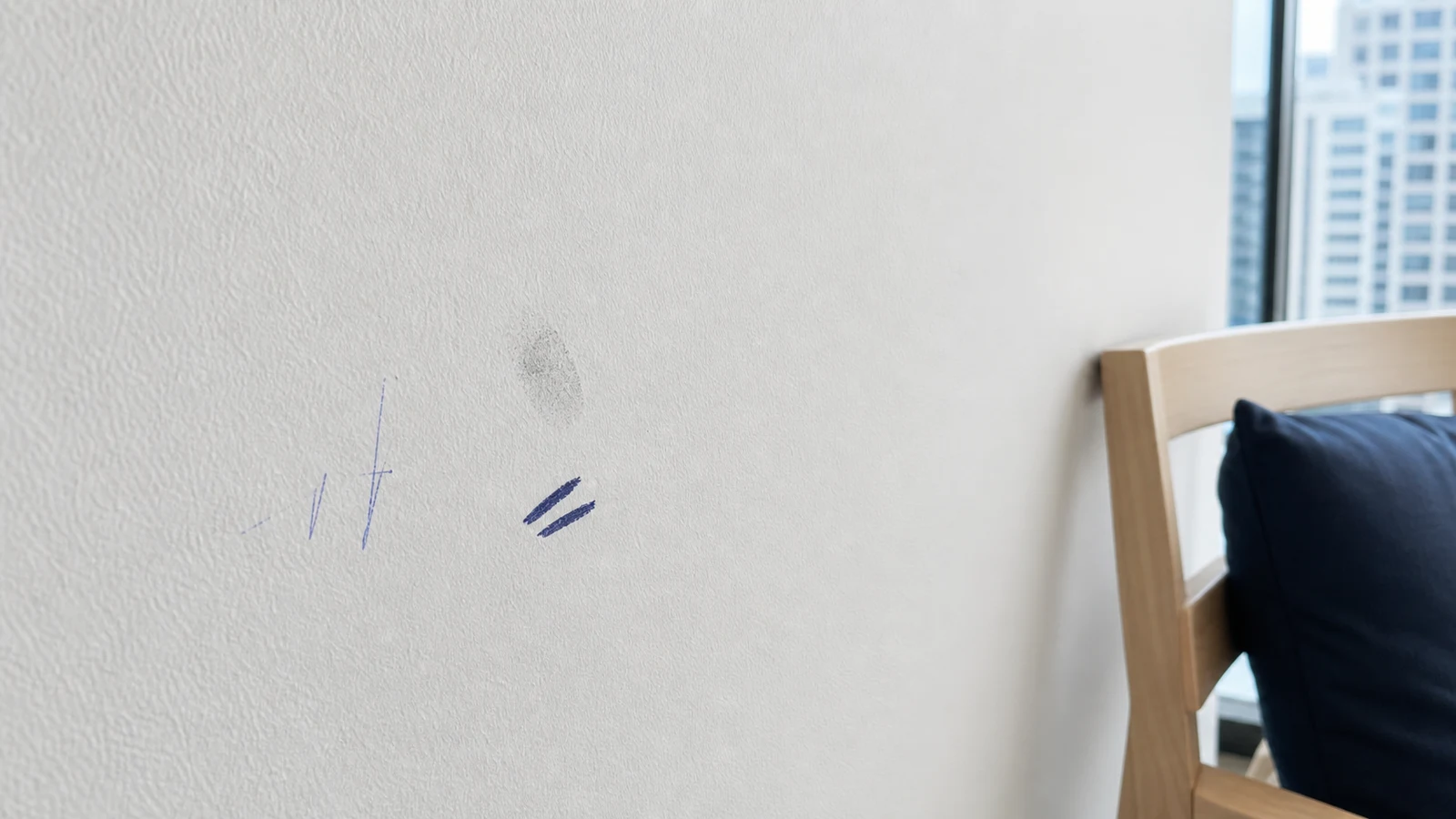
Quick answer
How do you get permanent marker off a painted wall?
Check that the paint is intact and washable, then test behind furniture. Blot grease with a barely damp cloth and mild dish-soap solution. For ink or marker, follow the paint maker's named spot-cleaning product and method. Stop if colour, sheen or texture changes.
Gloss or semi-gloss painted walls / Satin painted walls / Eggshell or matte painted walls
Flat or chalky paint finishes (prone to damage) / Unprimed drywall / Wallpaper / Unknown or unfinished surfaces
What you need
What you need
Begin with mild dish soap, water and clean cloths. For ink, buy a spot cleaner only when the paint maker names it for the installed finish. Melamine foam is optional and abrasive; use it only when both product labels allow the surface.
- Difficulty
- Easy
- Active time
- 10–15 minutes
- Total time
- 15 minutes (plus 10 minutes for hidden test area)
Dish soap (any brand)
1 teaspoon per bowl of warm water
Paint-maker-approved spot cleaner (optional)
smallest pack; only if named for your finish
Cotton wool pads or soft lint-free cloth
5–10 pads
Small bowl or cup
1 for the mild soap solution
Magic eraser (optional, last resort only)
1 pad
Typical UAE retail ranges. Prices vary by pack and store, and your total is lower when you already own the reusable tools.
Step by step
How to Remove Pen, Marker and Grease Marks from Walls
Work from the gentlest approved method upward, hidden-testing each change. Stop immediately if paint colour transfers or the finish softens, roughens or changes sheen.
-
Step 01
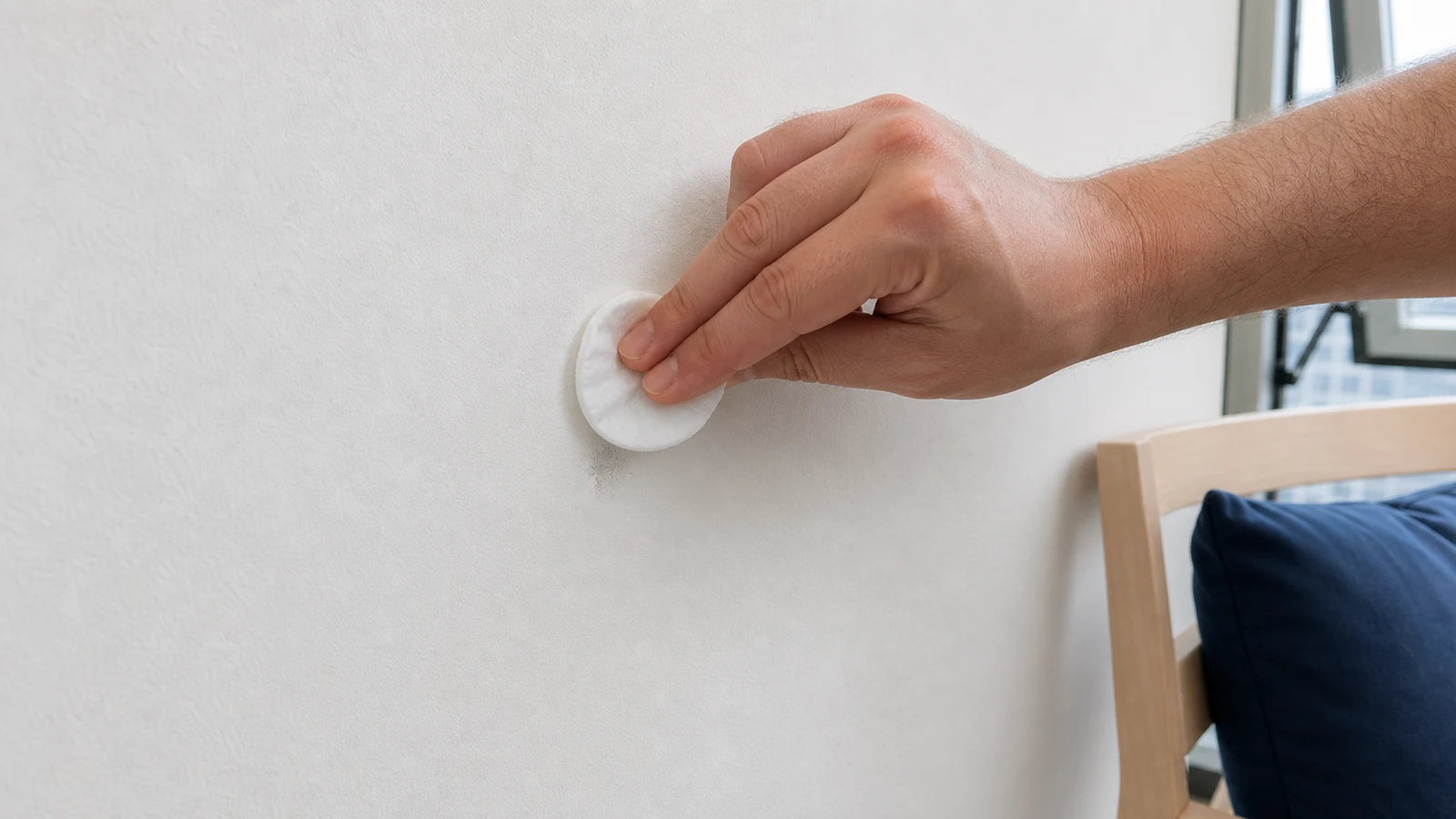
Identify the mark type and test in a hidden area
Decide whether your mark is grease (feels sticky or oily), ballpoint pen (fine line) or permanent marker (thick, vivid colour). Choose a spot behind furniture and apply your chosen cleaning method. Look for dulling, colour change or softness. Stop if the paint reacts.
Paint surface remains unchanged in texture and sheen
No colour transfer from paint to your cloth
No visible damage or etching
-
Step 02
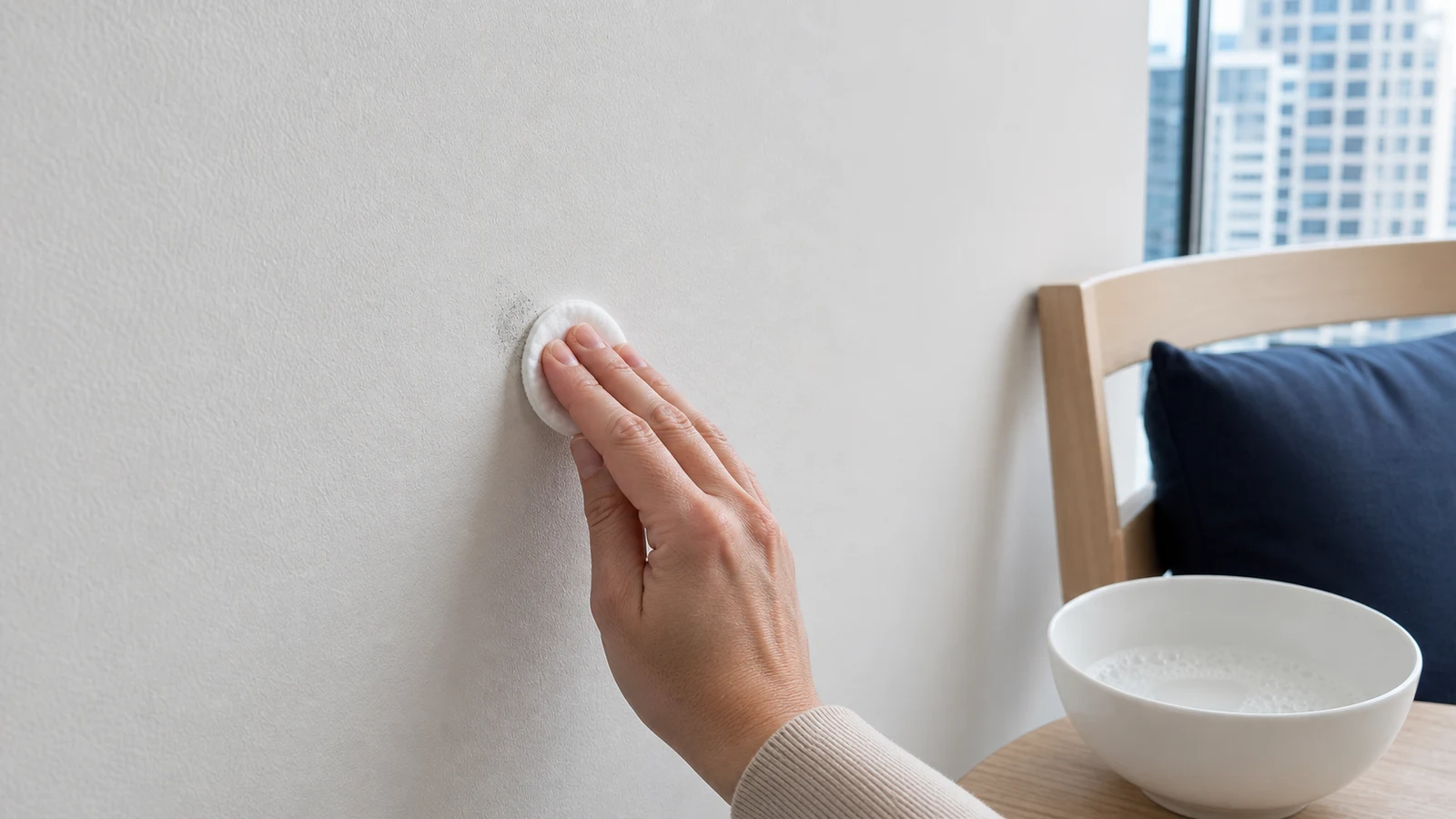
For grease marks, apply warm soapy water
Fill a small bowl with warm (not hot) water and add one teaspoon of dish soap. Dip a clean cotton pad until damp but not dripping. Press it gently against the grease mark and hold for 15–20 seconds. Never scrub or rub in circular motions.
Grease mark visibly fades or disappears
Wall remains dry and undamaged
No sticky residue remains after blotting with a clean dry pad
-
Step 03
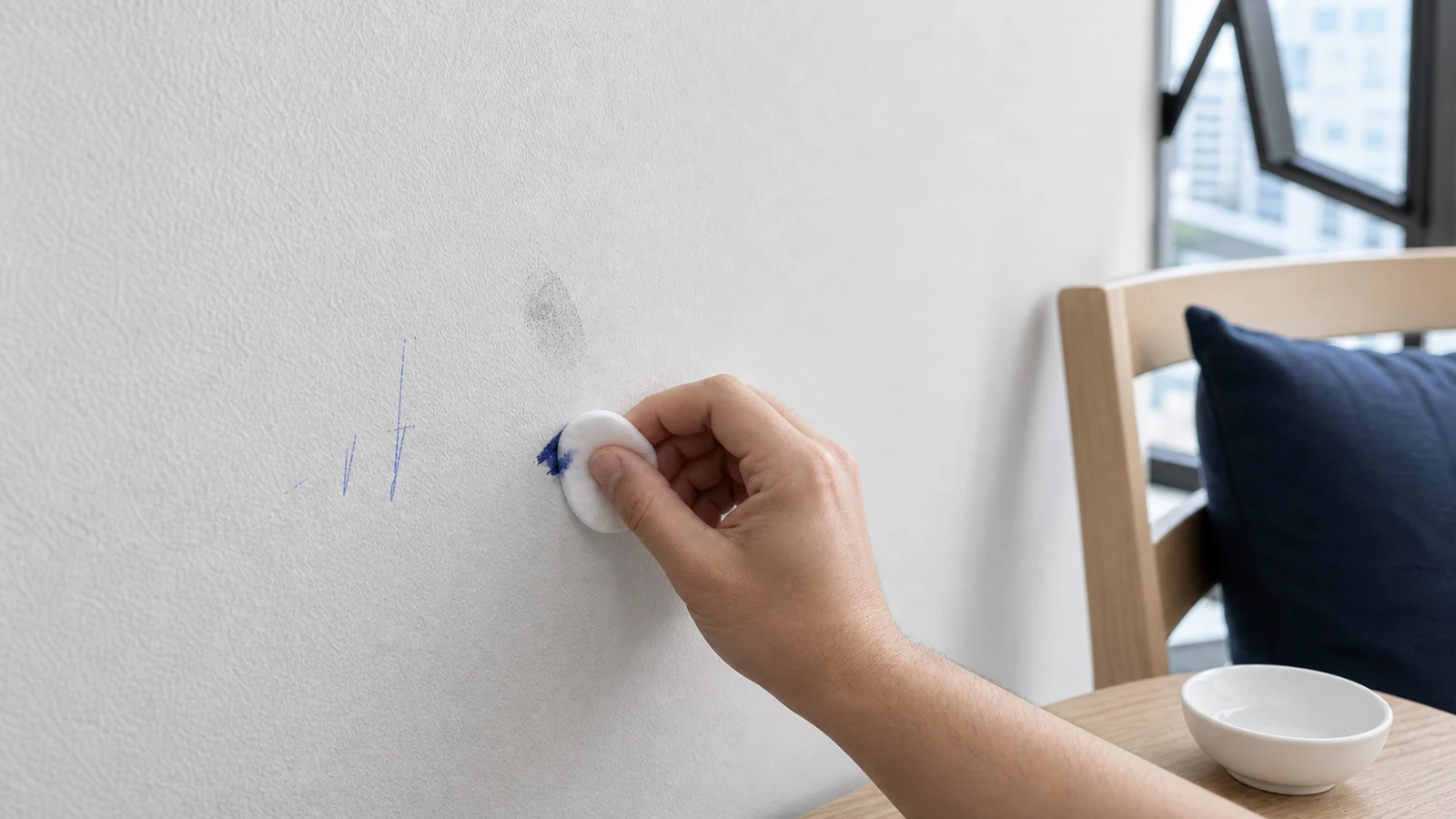
Use only the spot cleaner approved for the paint
Check the paint tin, technical sheet or manufacturer care page. If it names a spot cleaner for this exact finish, put the smallest label-directed amount on a fresh cloth and blot the hidden test area first. Continue only if the paint's colour, sheen and texture remain unchanged.
Ink visibly transfers to the cotton pad
Mark fades progressively with each blot
Paint surface remains unchanged
-
Step 04
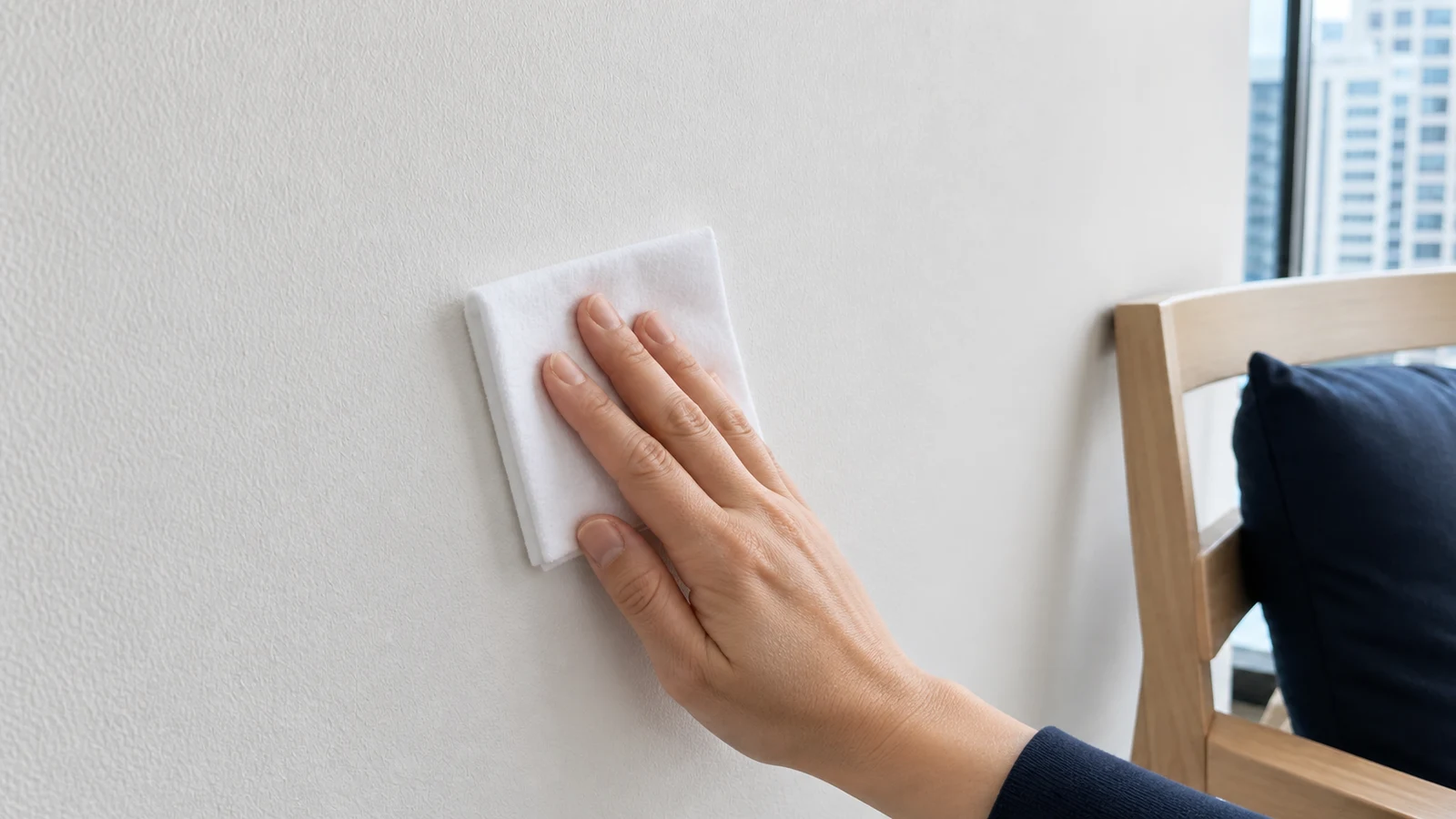
Blot dry and wait for the finish to settle
Use a fresh dry pad or lint-free cloth to lift remaining moisture. Press gently without rubbing. Let the area dry for the time stated by the cleaner or paint maker before judging the result. Stop rather than repeat if the finish looks different under side light.
Wall surface is completely dry to touch
No solvent smell remains
Mark is fully gone or faded to invisible
-
Step 05
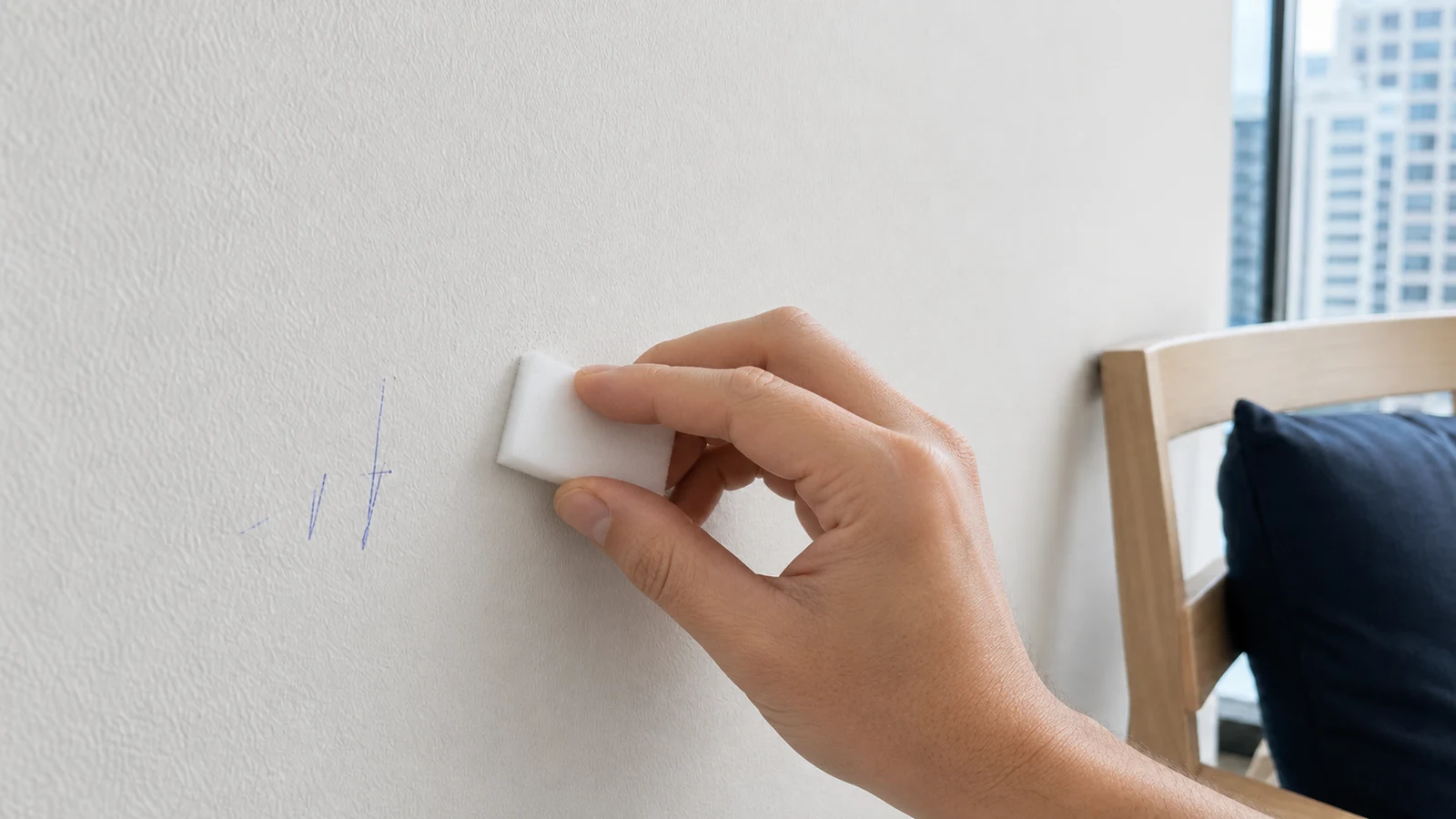
Use melamine foam only when the labels allow it
Melamine foam is abrasive and can change paint sheen. Use it only when both the paint-care instructions and foam label allow the surface. Test behind furniture, use the lightest pressure and stop after one brief pass if the finish dulls or colour transfers.
Mark is significantly reduced or gone
Paint sheen remains unchanged
No visible scratch or abrasion marks appear
-
Step 06
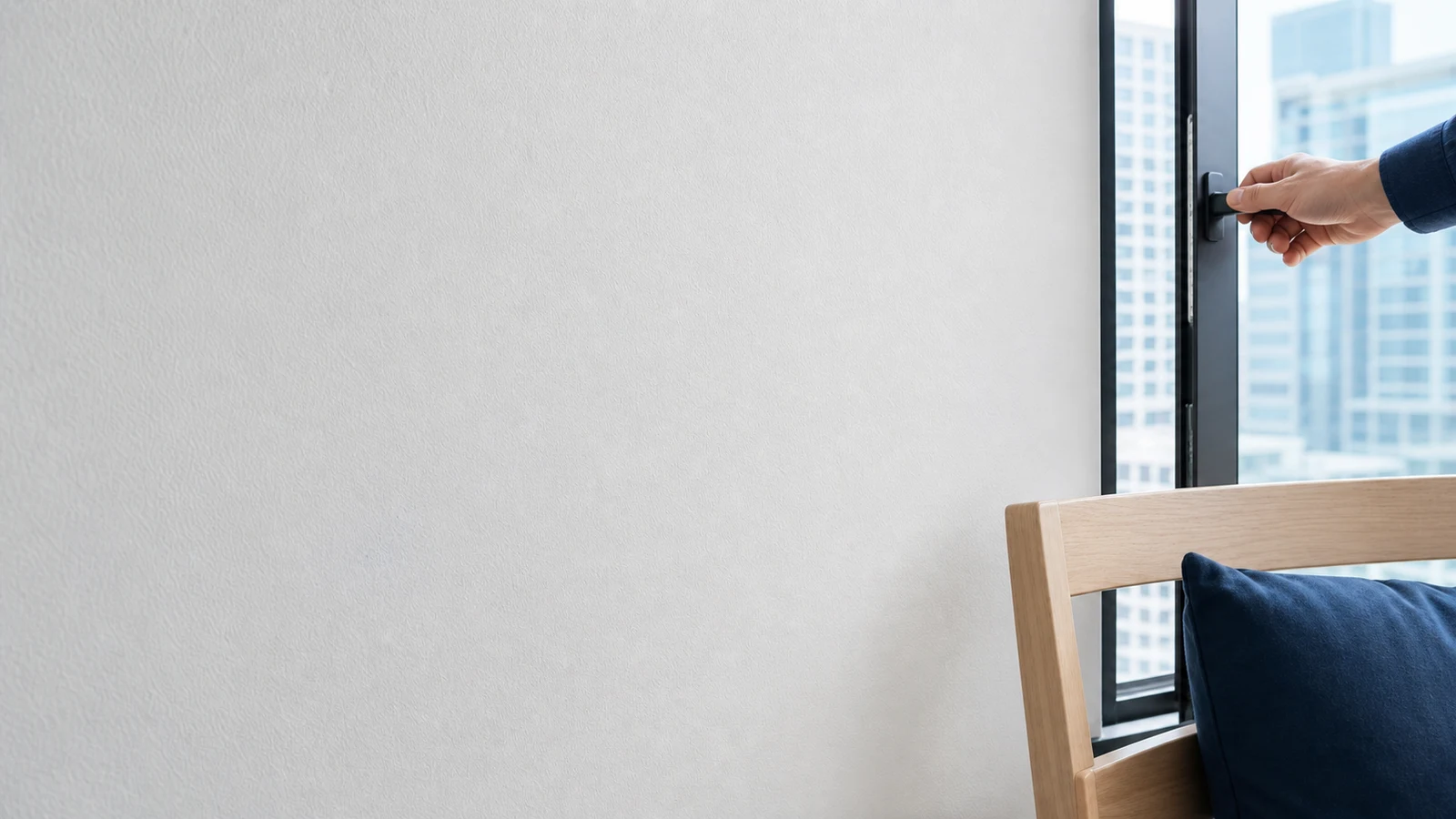
Ventilate the room and check for secondary marks
Ventilate as the approved cleaner's label directs and keep it away from flames or heat if the label marks it flammable. Once fully dry, inspect the wall under natural and side light. Stop cleaning if a halo, dull patch or colour change remains.
Room is well ventilated with no solvent smell
Marked area is completely dry
No secondary marks or residue visible in natural light
Finished result
What success looks like
A successfully cleaned wall returns to its original unmarked state with no visible damage to the paint finish.
The mark is no longer visible in natural daylight
Paint sheen and colour remain uniform with the surrounding wall
No ghost outline, halo or residue is visible from normal viewing distance
Paint surface feels smooth and unchanged to the touch
No solvent smell remains after ventilation
Troubleshooting
When the first pass does not solve it.
A faint ghost outline or halo remains after the mark is gone
Ink may have slightly penetrated the paint film or the wall surface has absorbed cleaner unevenly. This is cosmetic and typically invisible after 24 hours of curing.
Allow the wall to dry completely for at least 24 hours. If the outline is still visible, resist further solvent treatment to avoid damage. The outline will fade naturally as the paint fully cures. If permanent, consider a spot touch-up with matching paint.
The mark will not budge after the approved mild method
The ink may have fully penetrated the paint or the mark may be a different stain type. Some permanent markers on chalky or flat paint bond too deeply for solvent removal.
Stop rather than escalate to an unlisted solvent. Let the wall dry fully. If the paint maker allows melamine foam, test one light pass in a hidden area; otherwise use a compatible stain-blocking primer and touch-up system or ask a painter.
The paint feels tacky, soft or looks duller after cleaning
The cleaner may have softened or abraded the paint film, or the finish may already be compromised.
Stop immediately and ventilate according to the product label. Do not touch or clean the area again until it is fully dry. If tackiness or a sheen change remains, the coating may be damaged; ask the paint maker or a professional painter before recoating.
Quick answers
Frequently asked questions.
How do you get permanent marker off a painted wall?
Check the paint maker's care instructions first. Test its approved spot cleaner behind furniture, then blot with a clean cloth using the smallest label-directed amount. Do not scrub. Stop if paint colour transfers or the surface changes sheen, texture or softness.
Does hairspray remove ink from a painted wall?
Do not use hairspray as a wall cleaner. Its formula is not designed or tested for your paint and may leave residue or change the finish. Use only the cleaning method named by the paint manufacturer, beginning with a hidden compatibility test.
What removes crayon from walls?
Check the paint-care instructions before treating wax. On intact washable paint, begin with a barely damp cloth and a dilute mild-soap solution. Do not use heat or a sharp scraper. Stop if colour transfers or the coating changes sheen or texture.
Can I use bleach to remove marker stains?
Do not use bleach unless the exact paint manufacturer's care instructions name it for that finish. It may discolour the coating, and mixing cleaning products can release dangerous gases. Use one approved method at a time and stop at any paint change.
Sources and review notes
- Sherwin-Williams: How to Clean Walls - Paint-maker guidance on finish-sensitive cleaning, gentle methods and testing.
- Mr. Clean: How to Remove Permanent Marker from Walls - Manufacturer instructions and surface-testing cautions for melamine foam use.