
DIY / Bathroom
Brown Ring in the Toilet Bowl: A Glaze-Safe Cleaning Method
A brown waterline ring may be mineral or iron deposit, but colour alone cannot identify it. Protect the glaze with a labelled cleaner approved by the toilet maker for vitreous china, never overnight homemade acid or abrasive scraping.
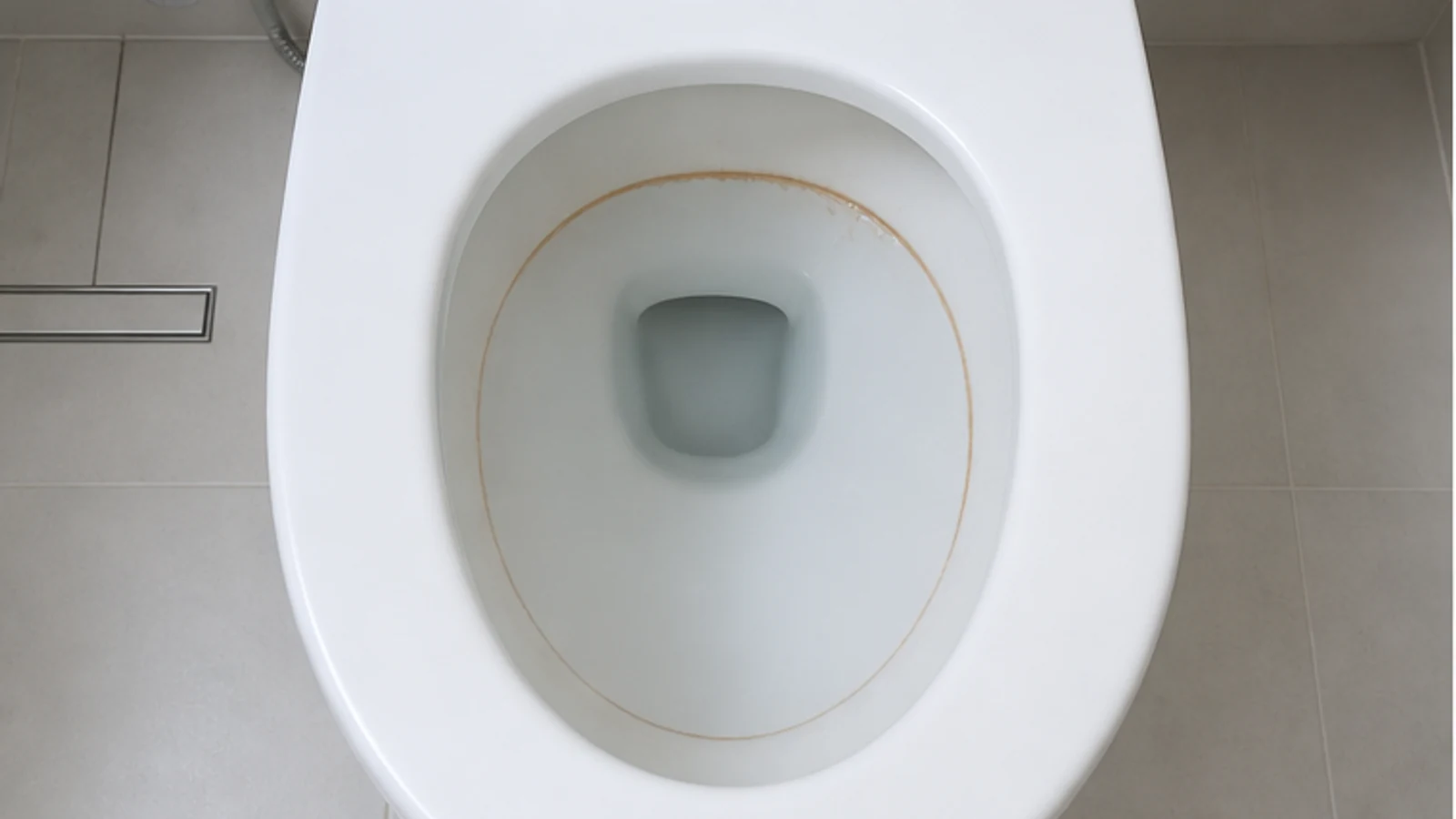
Quick answer
How do you remove a brown ring from the toilet?
Confirm the bowl is intact vitreous china and remove any in-tank product. Flush away previous cleaner, ventilate, then apply only a toilet-bowl hard-water cleaner approved by the fixture maker. Follow its label for amount and contact time, brush with nylon, flush and rinse. Stop for cracks, glaze change or an unknown prior chemical.
vitreous china toilet bowl
Coated, coloured, plastic, stainless or unknown bowl materials / Cracked, chipped, crazed or repaired bowls / Bowls or tanks containing another cleaner, tablet or disinfectant
What you need
What you need
Gather the listed materials before you start.
- Difficulty
- Easy
- Active time
- 10 minutes
- Total time
- Use the cleaner label's contact time; no overnight soak
Fixture-approved hard-water toilet bowl cleaner
Exact amount stated on the product label
Toilet brush
1
Rubber gloves
1 pair
Eye protection required by the cleaner label
1 pair
Typical UAE retail ranges. Prices vary by pack and store, and your total is lower when you already own the reusable tools.
Step by step
How to Remove a Brown Ring from the Toilet Bowl
Work in order and check the result after each step.
-
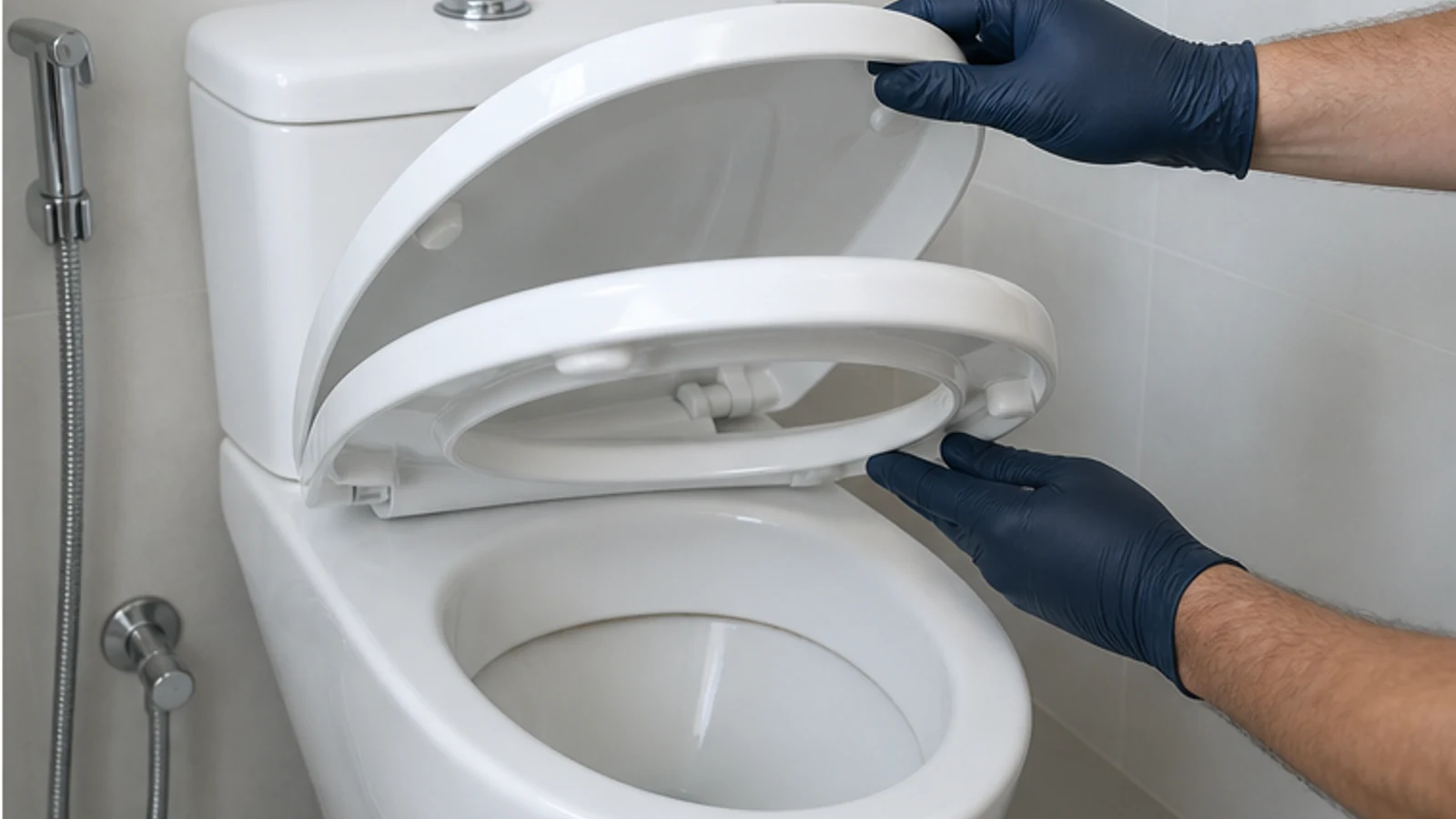
Step 01
Check the bowl is empty of bleach or other cleaners
Check the bowl and cistern for tablets, gels or another cleaner. Do not proceed when a product is present or prior use is unknown. Remove products only as labelled, flush twice with the lid closed and ventilate. Never add cleaner to another product's residue.
-
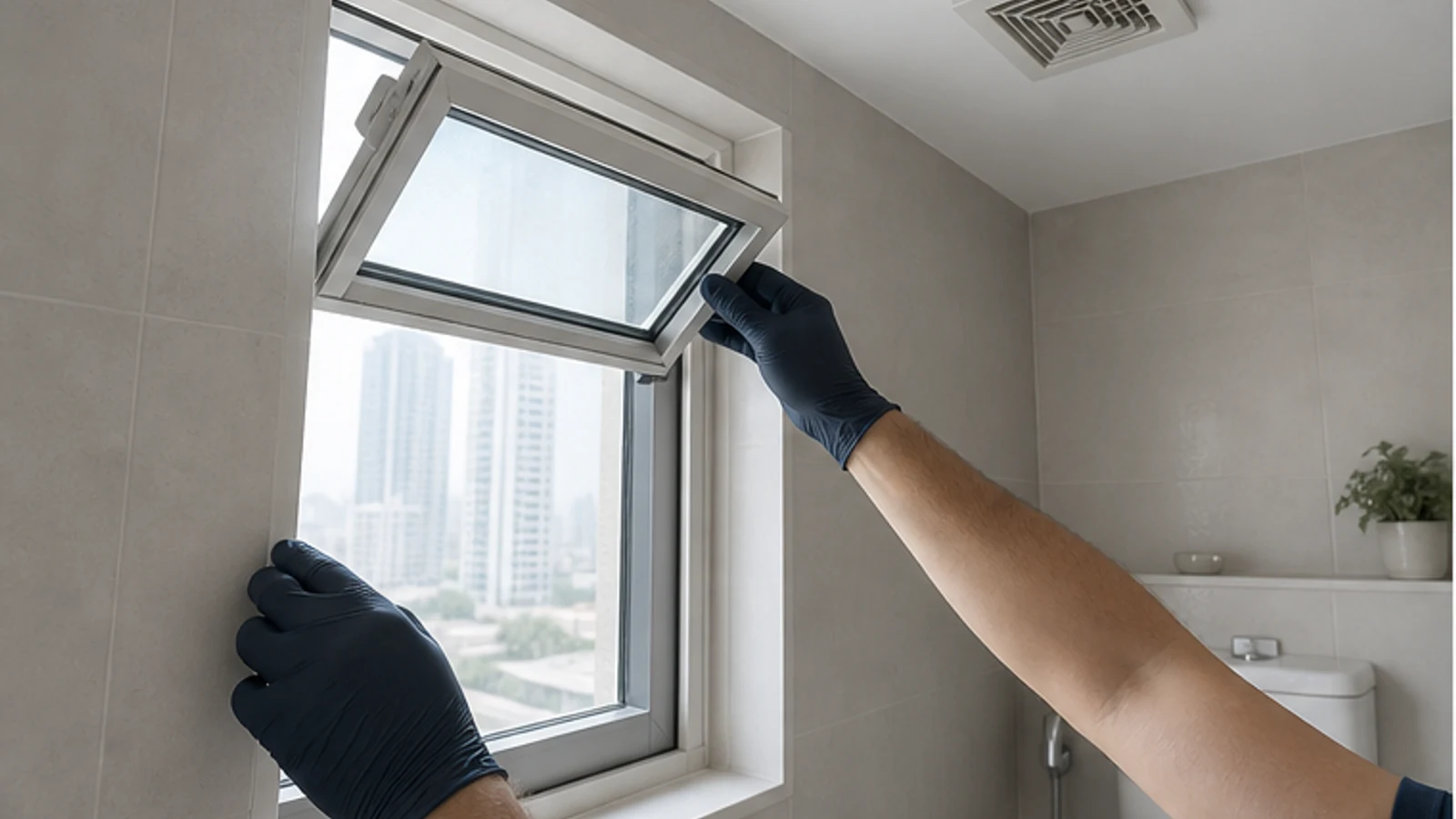
Step 02
Open windows and put on protective gloves
Ventilate and read the toilet and cleaner instructions. Wear the protection named on the label. Confirm intact vitreous china. Stop for cracks, chips, glaze crazing, repairs or unknown material or coating.
-
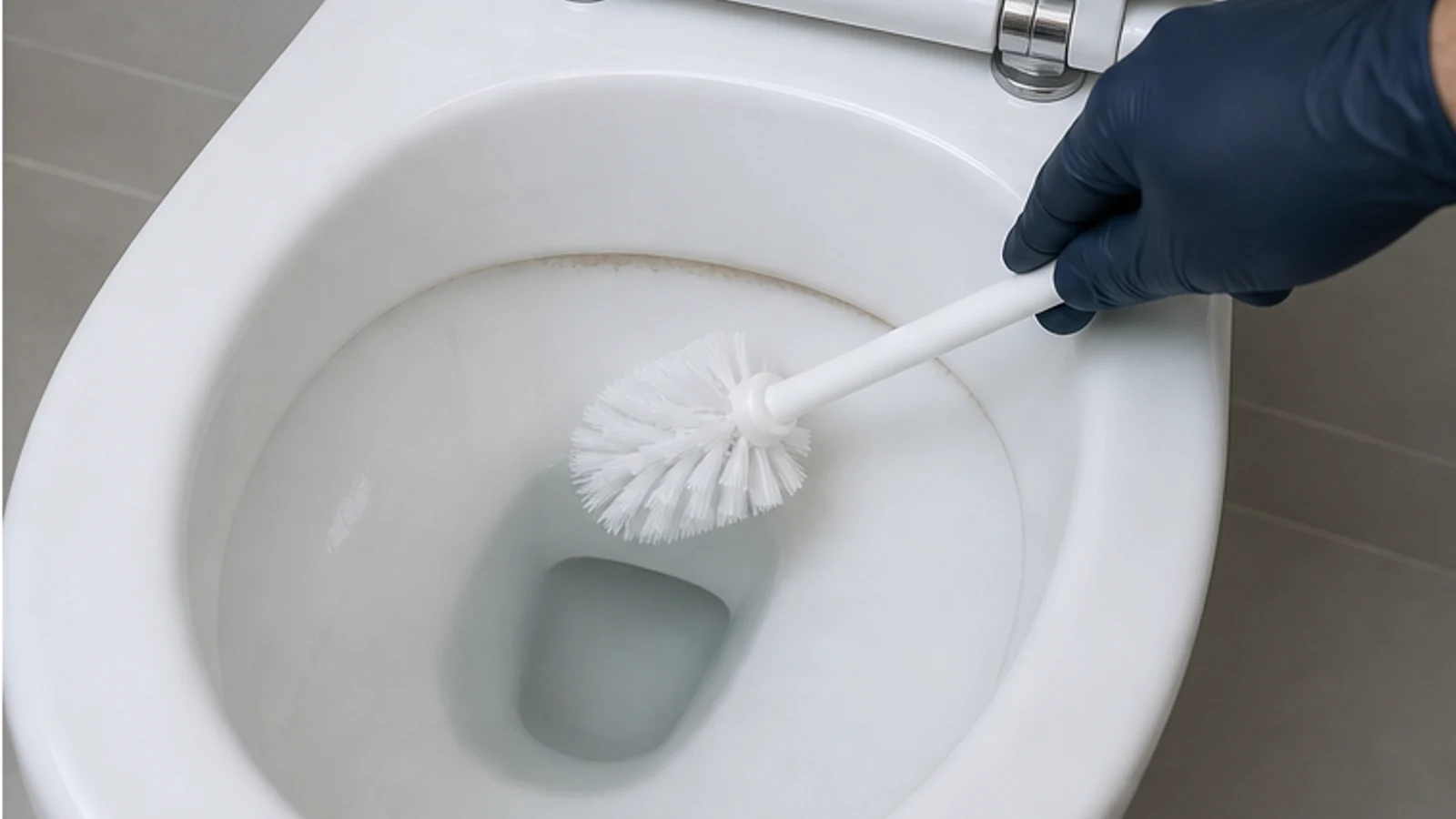
Step 03
Choose a cleaner approved for the fixture
Use a hard-water or rust bowl cleaner only when the fixture maker permits it. Its label must name vitreous china and the stain type. Do not substitute citric acid, an in-tank tablet, abrasive powder or cleaner for another surface.
-
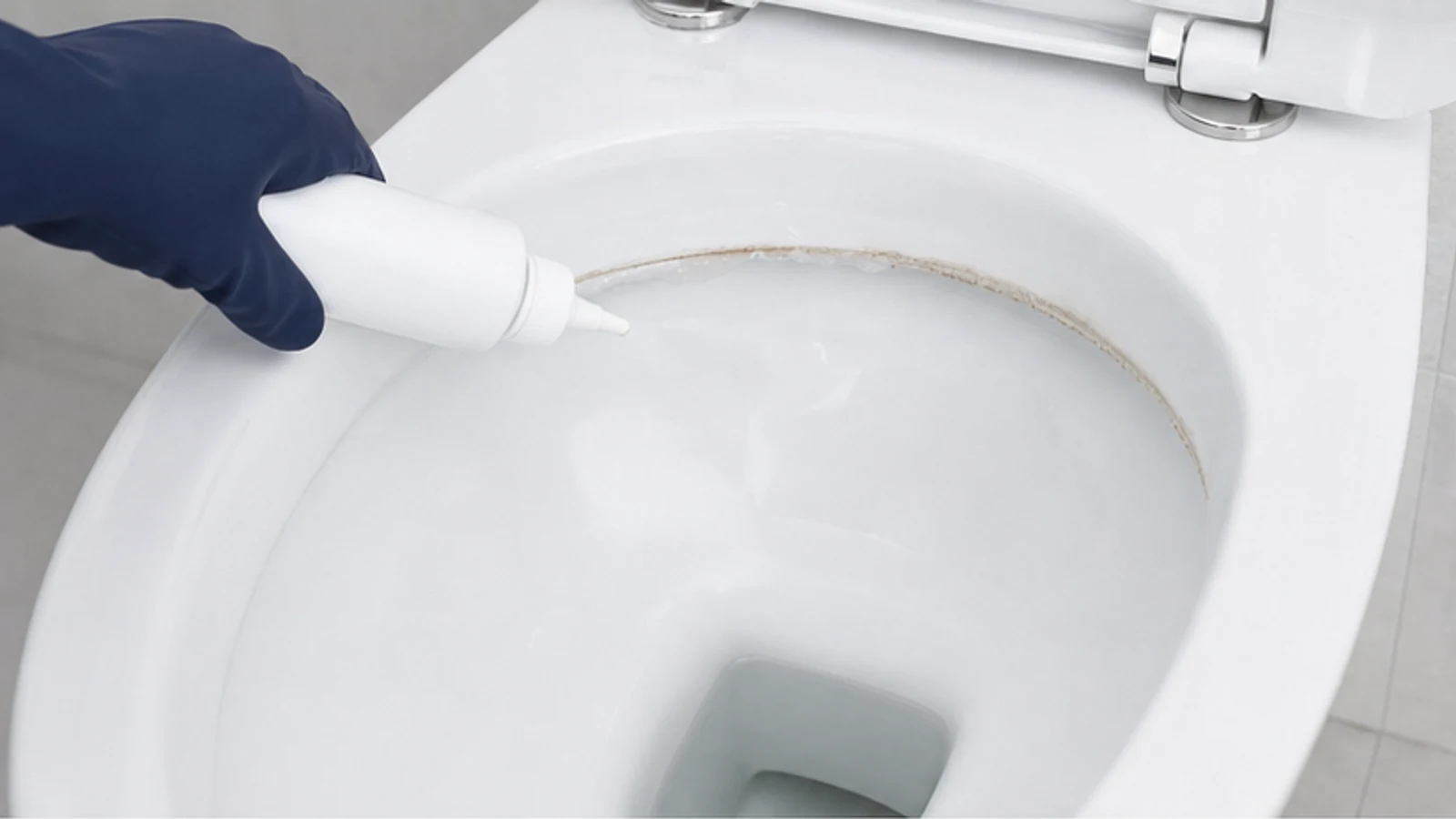
Step 04
Apply exactly as the label directs
Lower water only if both instructions require it. Apply the labelled amount inside the bowl, away from the seat, hinges and plated parts. Time the stated contact period. Never leave a product overnight unless its label explicitly requires that use.
-
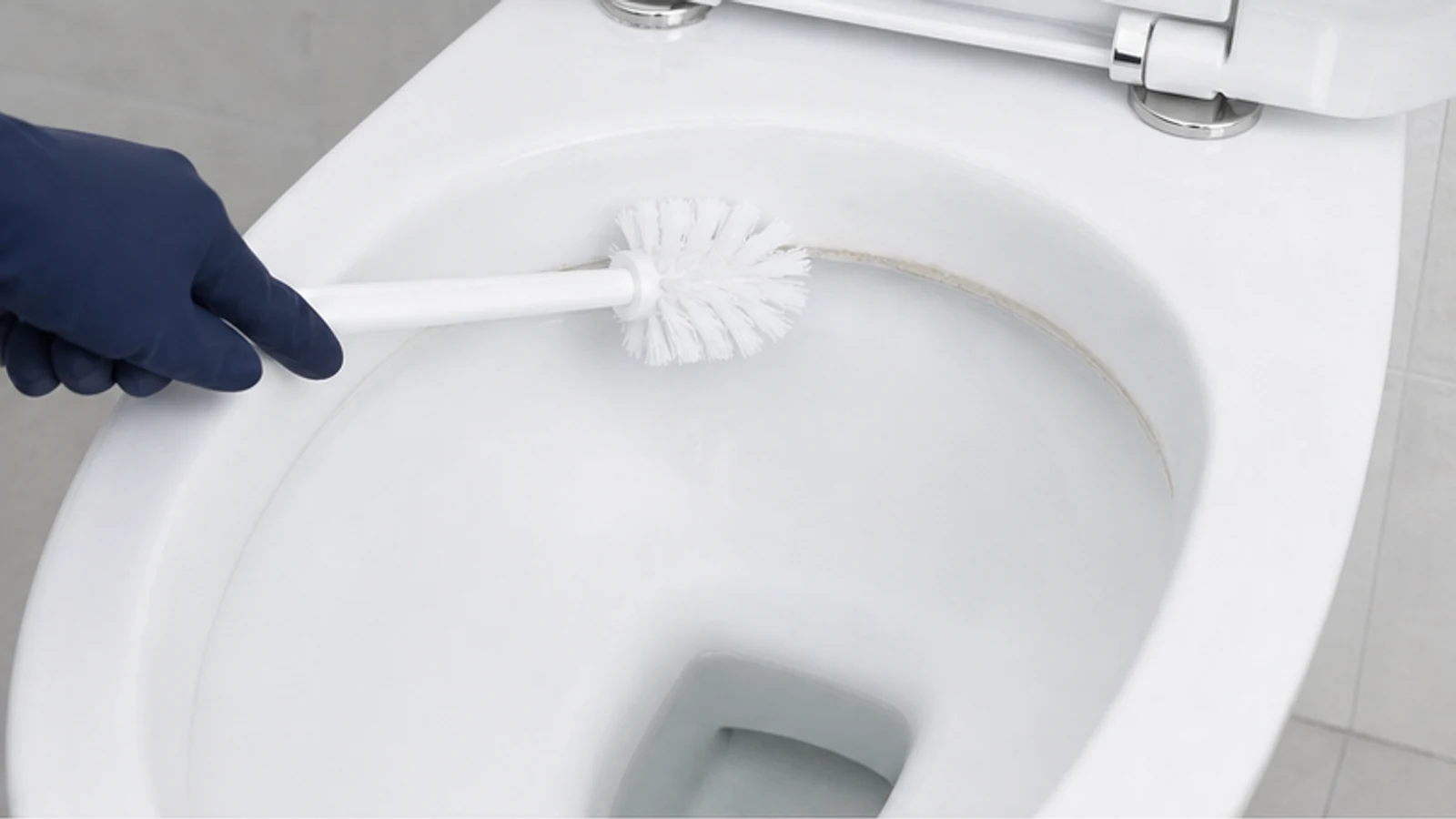
Step 05
Brush gently without abrasive tools
Brush lightly with nylon, keeping your face away. Never use pumice, metal, blades, wire brushes or powered tools; coatings and old glaze damage may be invisible. Stop for any change in colour, gloss or texture, or if a chip appears.
-
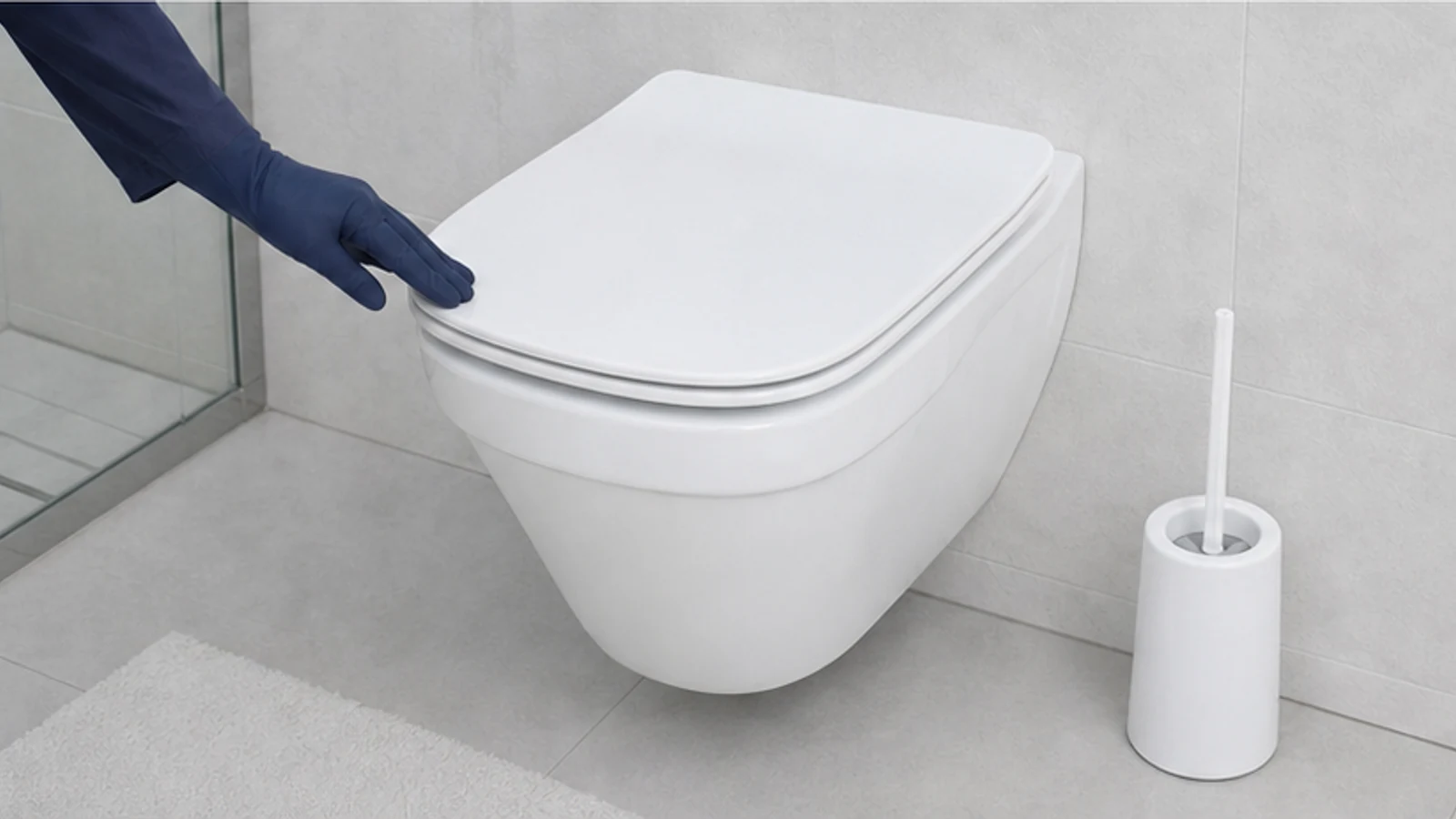
Step 06
Scrub gently with the toilet brush and flush
Flush with the lid closed and rinse the brush as directed. Flush again if required. Wipe splashes from plastic or plated surfaces immediately with clean water. Inspect only after all cleaner is removed and the bowl refills.
Quick answers
Frequently asked questions.
Does a pumice stone scratch porcelain?
Pumice can abrade a coating or damaged glaze, and the bowl's exact surface may be unclear. This guide does not recommend it. Use a nylon bowl brush and a fixture-approved cleaner instead. If deposits remain after one labelled treatment, ask the manufacturer before using any abrasive restoration method.
Why does limescale build up in the toilet?
Minerals can remain where hard water repeatedly meets the bowl, while iron can add brown or orange colour. A ring may also be organic soil or glaze damage, so appearance is not a diagnosis. Use the cleaner named for the confirmed stain and investigate recurring discolouration or unusual supply-water colour.
Is citric acid safe to use in a toilet?
Do not assume citric acid suits every bowl, coating, fitting or prior cleaner. Use it only when both the toilet manufacturer and product label permit that exact use and contact time. Never combine acid with bleach or another cleaner. This guide uses a labelled, fixture-approved bowl product instead.
Sources and review notes
- KOHLER: Cleaning Instructions for Vitreous China Toilets and Bidets - Fixture-manufacturer directions for inside-bowl cleaner use, labelled contact time, brushing, flushing and immediate cleanup of splashes on other materials.
- STERLING by Kohler: Care and Cleaning for Vitreous China - Manufacturer guidance to use bowl cleaners only inside the bowl, avoid strong abrasives and follow a commercial hard-water cleaner's package instructions.