
DIY / Balcony & Outdoors
Rust Spots on a Balcony Railing: Inspect and Report Them Early
A balcony railing is a safety barrier. Visible corrosion needs qualified assessment. Stay on the safe inner floor, avoid touching or loading it, keep others away and notify building management. Leave cleaning, coating and structural decisions to qualified professionals.
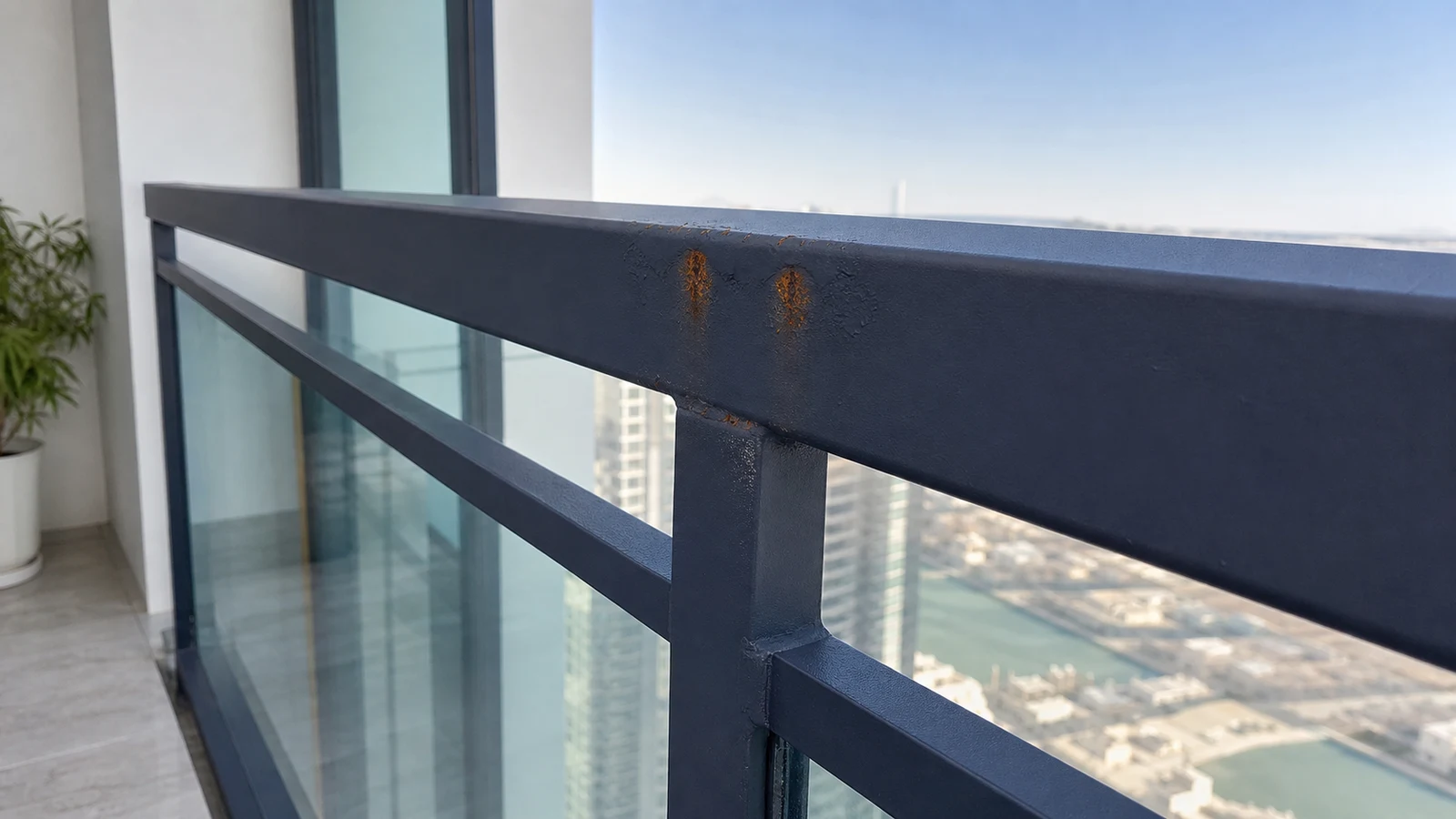
Quick answer
How do you stop rust spreading on railings?
Do not sand, scrape, coat or test a rusty balcony railing. Keep everyone away from the edge and inspect only from the apartment or safe inner floor. Photograph visible corrosion with zoom, notify building management and request urgent qualified inspection for movement, pitting, flaking, cracks, rusted anchors, loose fixings or water ingress.
Visual observation of a balcony railing from the apartment or safe inner floor / Photographic documentation using camera zoom without touching the barrier
Sanding, scraping, wire-brushing, cleaning, coating or repairing any balcony railing / Touching, pushing, shaking, leaning on or loading the railing / Exterior face, underside, ledge or any position requiring reach over the barrier / Removing covers, fasteners, sealant or paint to investigate corrosion / Any railing with movement, pitting, flaking, cracks, loose fixings or rust at an anchor
What you need
What you need
Use a camera from a stable inner position without touching the railing.
- Difficulty
- Easy observation
- Active time
- 10 minutes
- DIY limit
- Photograph and report; do not repair
Camera with zoom
1
Torch for indoor viewing only
1
Notes app or notepad
1
Typical UAE retail ranges. Prices vary by pack and store, and your total is lower when you already own the reusable tools.
Step by step
How to Inspect and Report Rust on a Balcony Railing
Observe from inside, photograph corrosion and escalate without touching it.
-
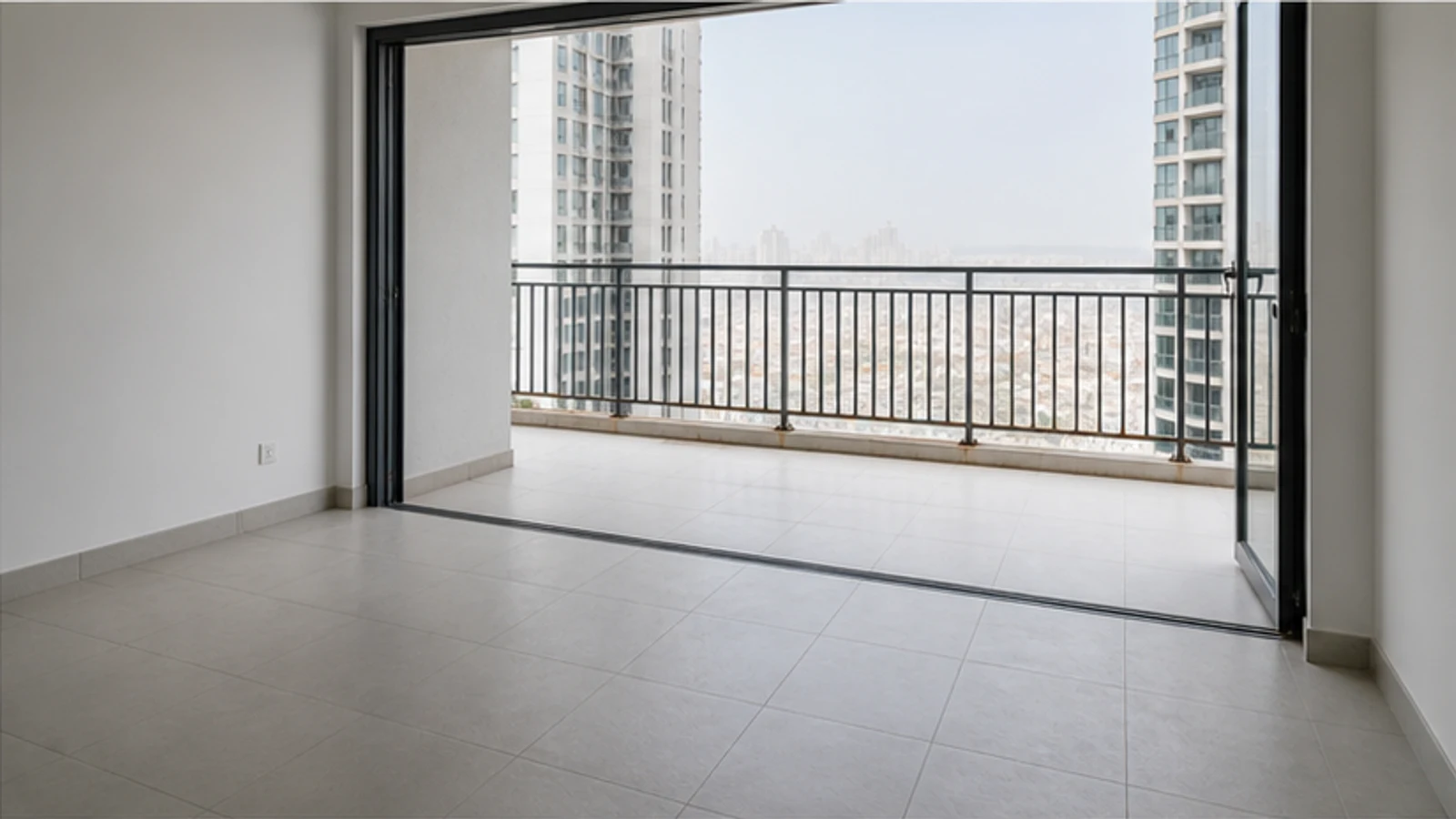
Step 01
Keep clear and inspect without contact
Keep children, pets and furniture away. View the railing from the doorway or stable inner floor. Never touch, push, shake, lean on or load it. If it looks loose, bent, cracked, deeply pitted or detached, stop balcony use and notify building management urgently.
-
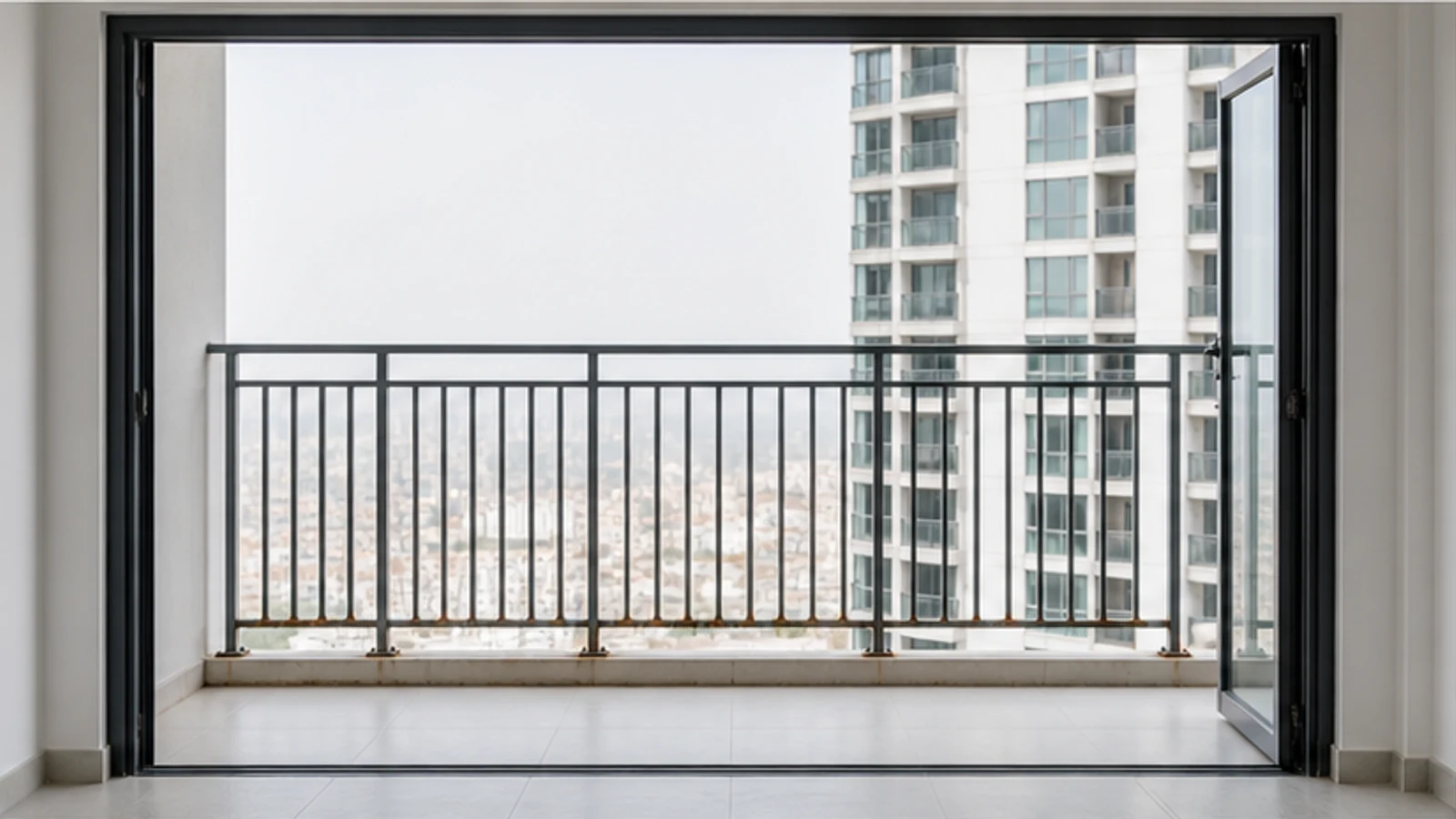
Step 02
Take one safe overview photograph
From inside the doorway, photograph the whole railing. Use zoom instead of stepping closer. Never climb, stretch or hold equipment outside the barrier. Stop if the view requires exterior reach or height access.
-
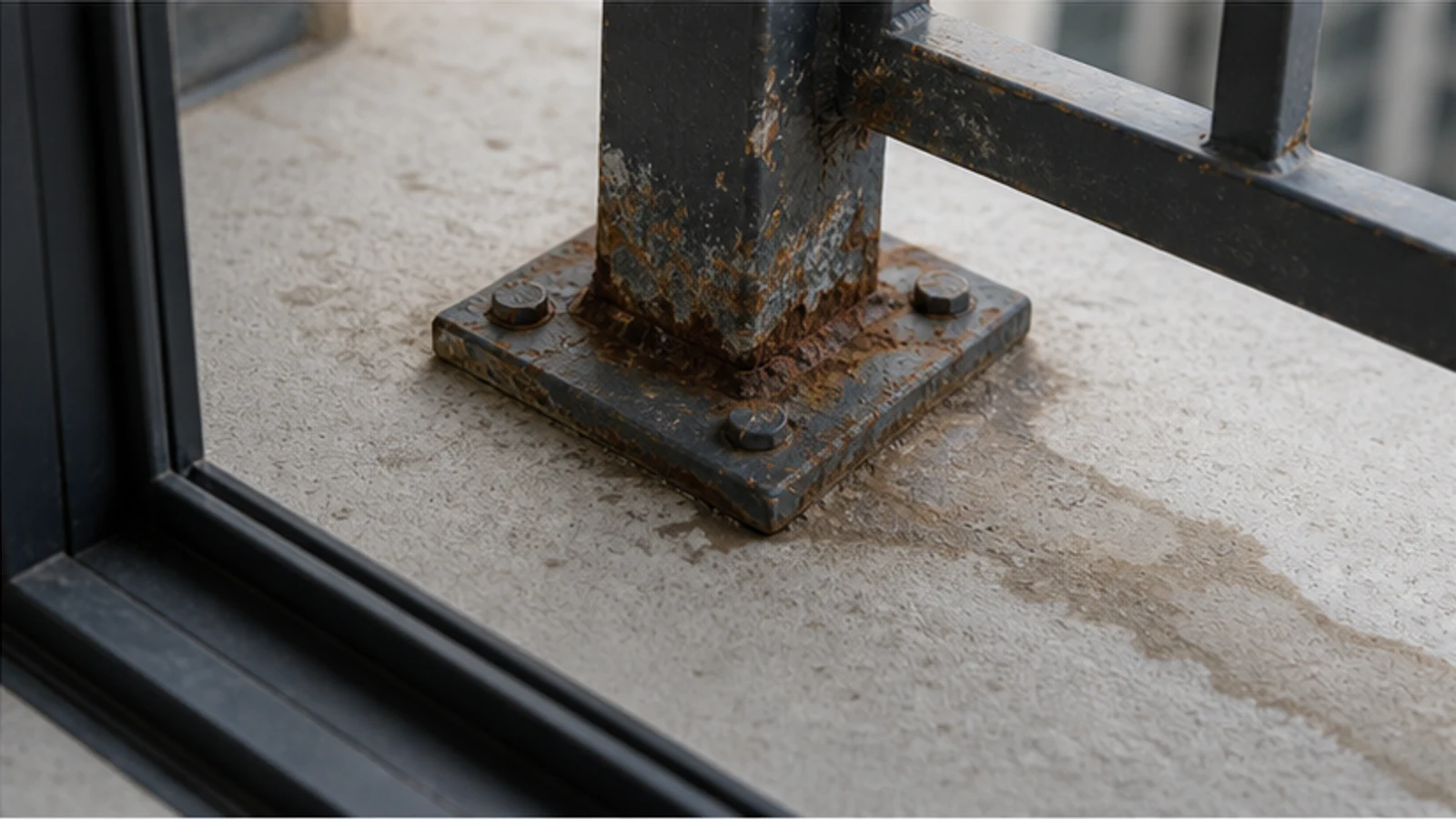
Step 03
Document corrosion locations with zoom
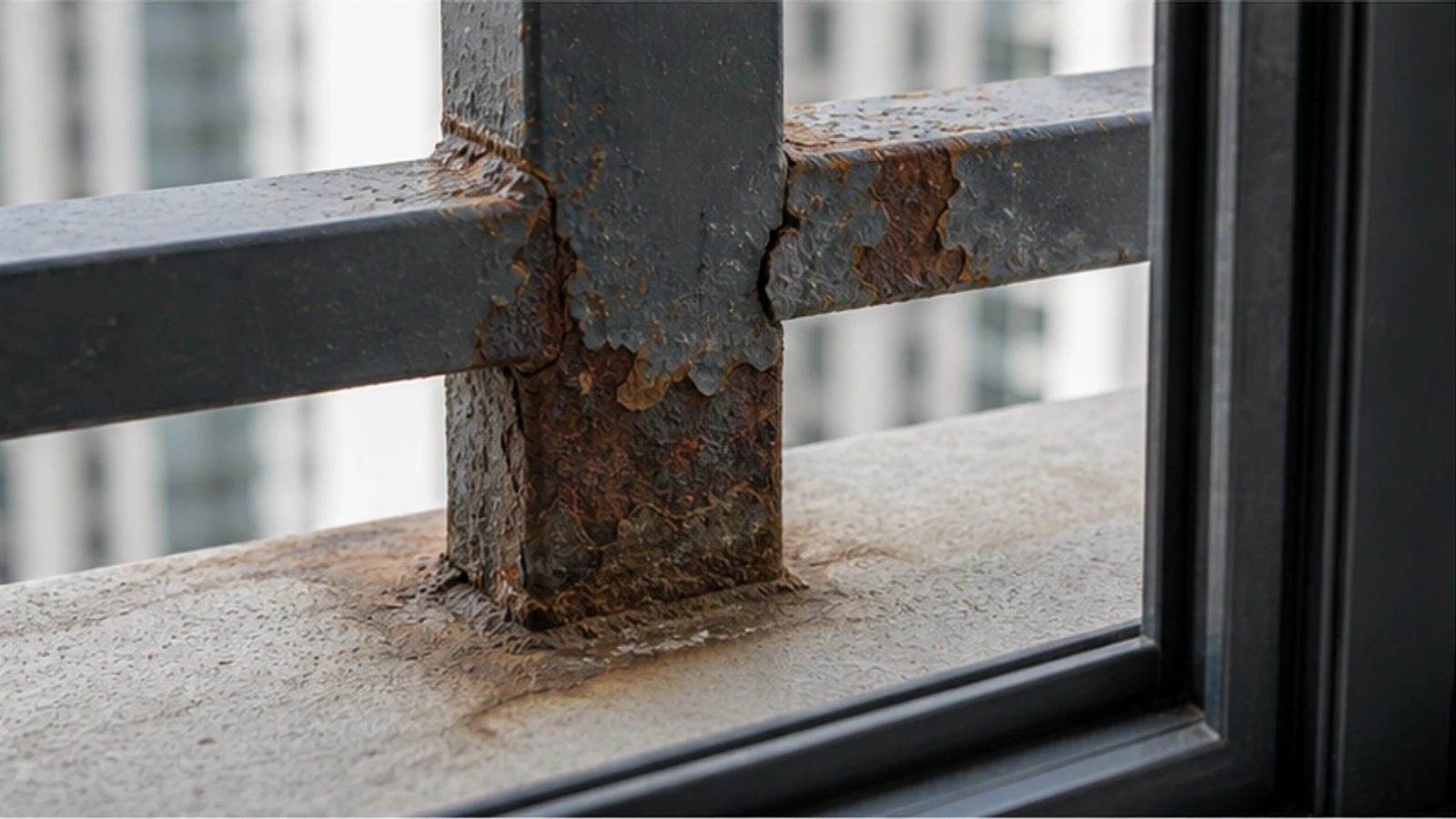
Without moving closer, zoom in on rust at posts, welds, rails, bases, anchors and fixings. Include peeling paint, cracks, water marks or gaps. Never lift paint, scrape a spot, remove a cover or place fingers near a joint. Corrosion at a connection needs prompt qualified assessment.
-
Step 04
Record every visible warning sign
Note the balcony side and exact section. List visible pitting, flaking, cracks, missing material, apparent lean, loose-looking fixings and water marks. Do not test movement. Treat observed movement, creaking, separation or recent impact as urgent, and keep the balcony unused until management responds.
-
Step 05
Notify building management
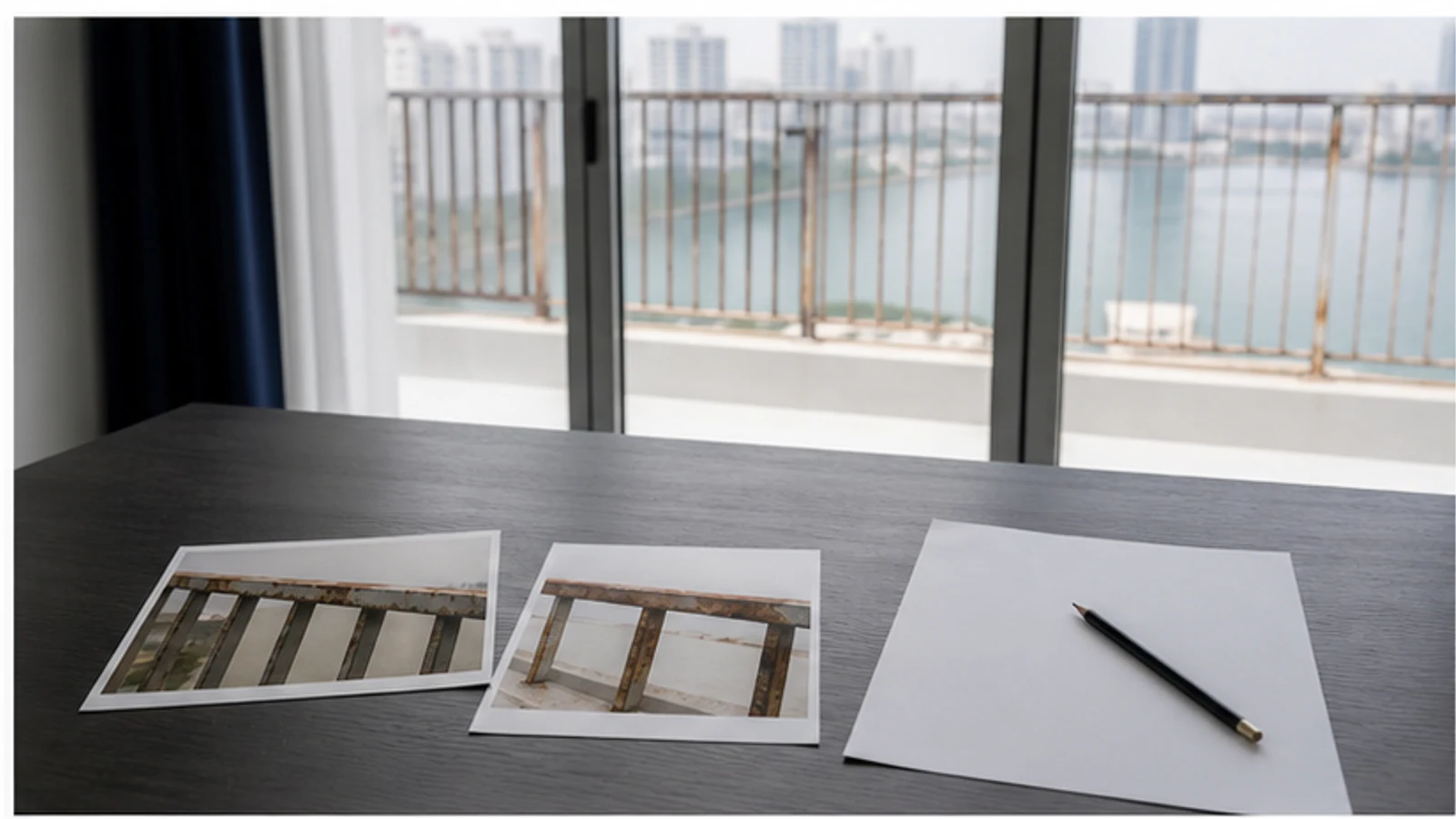
Give building management the overview, detail photographs and exact location. Mention any observed movement, impact, water ingress or falling flakes. Request inspection by a qualified building practitioner or structural professional. Do not ask only for paint; corrosion may extend beneath the coating.
-
Step 06
Restrict access until the railing is assessed
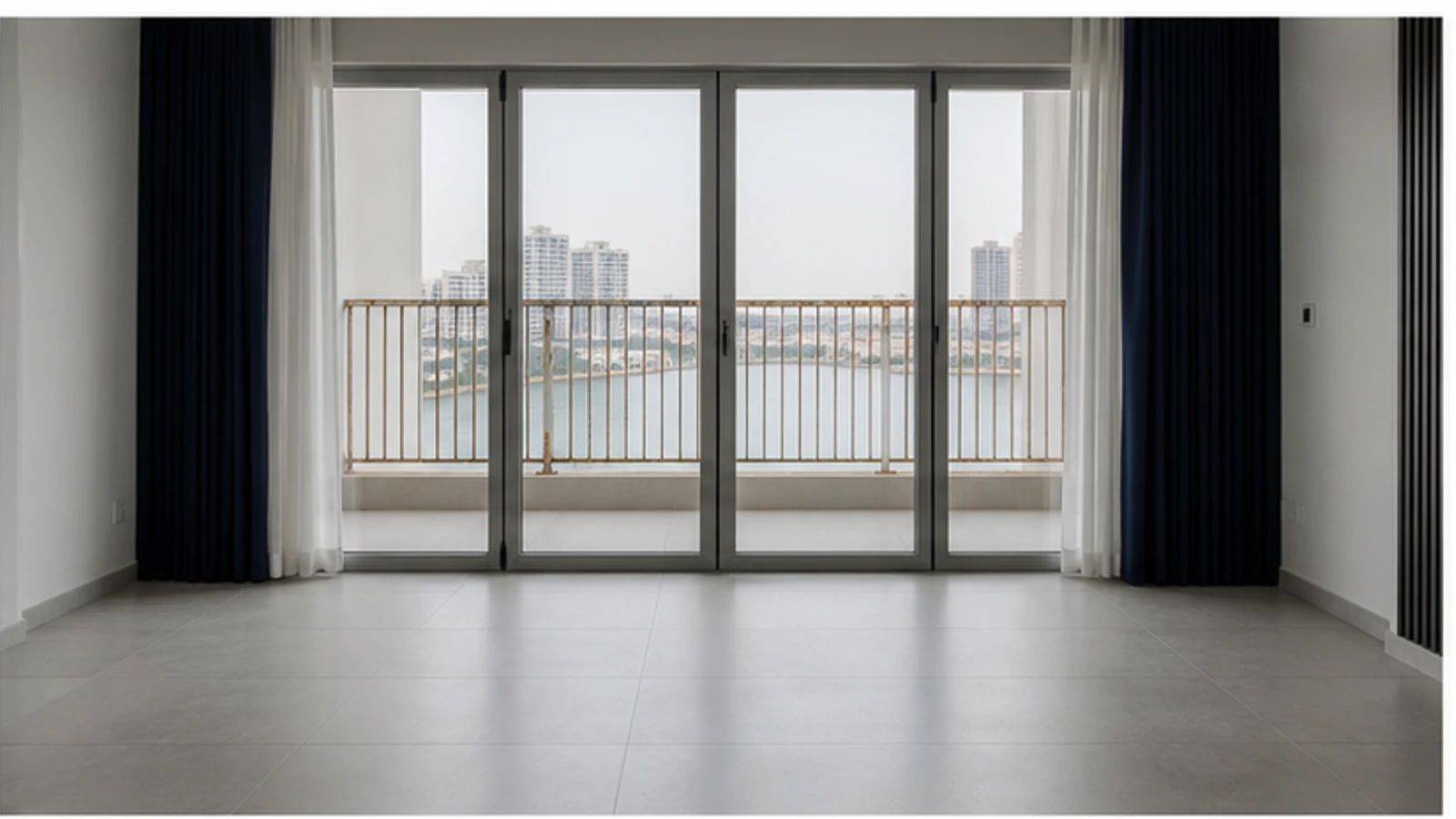
Follow management's access instructions and keep people, pets and furniture away from the edge. Observe only from the same safe indoor point. Notify management immediately about new flakes, stains, cracking, noise or apparent movement. Do not cover or clean the rust, or resume use because it looks unchanged.
Quick answers
Frequently asked questions.
What does rust converter do?
Rust converter changes iron oxide at the surface, but it does not prove a safety railing is structurally sound. Do not apply it yourself. Corrosion may continue beneath paint or affect anchors and welds. Building management should arrange qualified assessment before specifying any preparation or coating system.
When is a rusty railing dangerous?
Treat rust as urgent when it appears at a base, anchor, fastener or weld, or with pitting, flaking metal, cracks, separation, apparent lean, movement or noise. Do not test the railing. Keep the balcony unused, prevent access and report the location and photographs to building management for qualified inspection.
How often should I recoat a treated rust spot?
Do not choose a recoating interval or product yourself. The building team must identify the metal, original coating, corrosion depth and required preparation first. Follow their access restrictions. Notify management immediately about renewed rust, lifting paint, water marks, cracks or movement instead of adding another coat.
Sources and review notes
- Dubai Municipality: Dubai Building Code - Official Dubai source for mandatory building health, safety and welfare requirements.
- Queensland Government: Inspecting Decks and Balconies - Government guidance to inspect corrosion, fixings and balustrade anchors and recognise structural warning signs.
- Building and Plumbing Commission: Balconies, Decks and Balustrades - Government guidance on visual checks, restricting access and obtaining qualified assessment for unstable or corroded barriers.